The “Upstairs/Downstairs” Lives of Great Grand Uncles William and Henry Ingold
I love the idea of having a “Mr. Carson” or Thomas Barrow” in my family, but we all know “Upstairs/Downstairs” and “Downton Abbey” are romanticized fiction. In reality, the lives of Victorian servants were hard. They had food and a roof over their heads, but worked long hours with little pay. The last thing they wanted was to make a career of cleaning out fireplaces at dawn, emptying chamber pots, scrubbing vegetables in the scullery or submit to the regimental hierarchy of servant life. Most wanted to take the skills they learned, get out and make their own way – and that’s exactly what my 2nd great grand uncles did.
Great Grand Uncle Henry Ingold – Servant of Whitehall and Belgravia
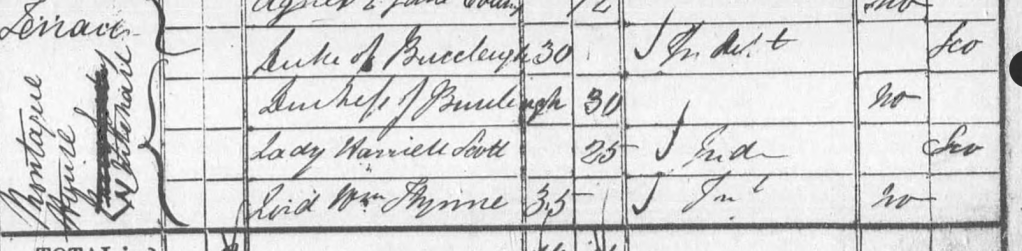
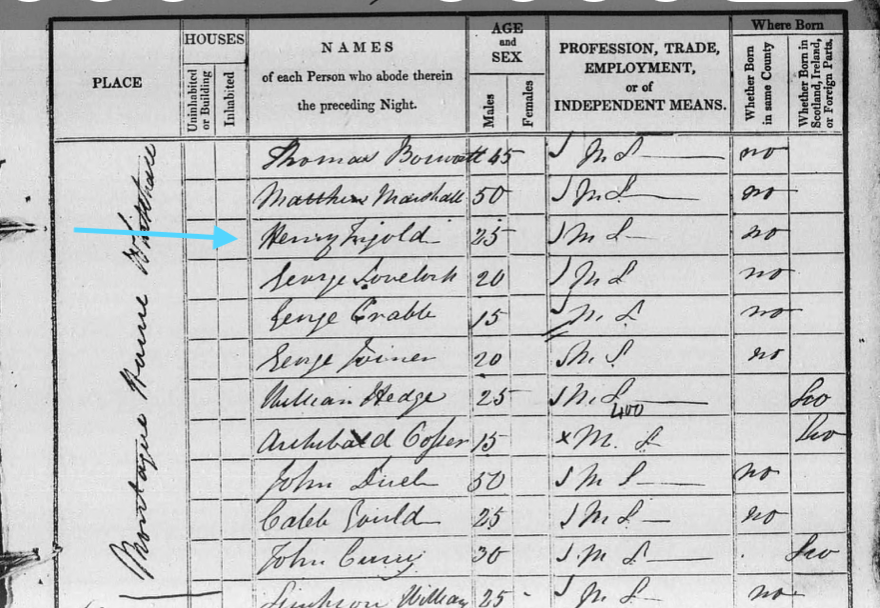
The 1841 Census finds 25 year old Henry as one of 37 servants in the household of the Duke and Duchess of Buccleuch, Lady Harriet Scott and Lord William Thynne at Montague House, Whitehall. (37 servants!!!!)
Census entry for the Buccleuchs:
On the next 2 pages, their 37 servants. Henry Ingold is way down the hierarchy. I’m guessing he was a stableboy:
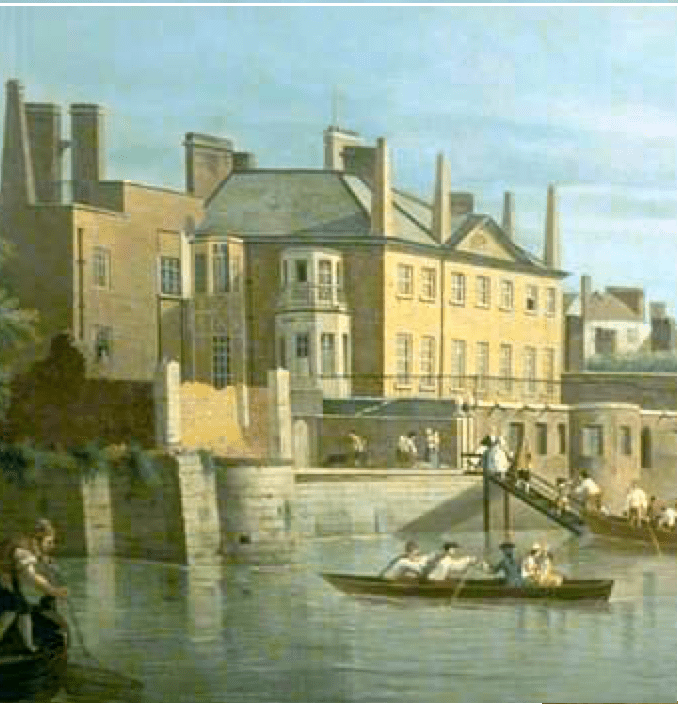
This is Montague House in Whitehall (painted in 1790), London Residence of the Duke and Duchess of Buccleuch (long demolished).
Finally, here are some notes on the Duke himself:
His name was Walter Francis Montague Scott (1806-1884) and in addition to being the 5th Duke, he was a wealthy Scottish landowner, a Conservative politician in the government of Robert Peel, and a Knight of the Garter.
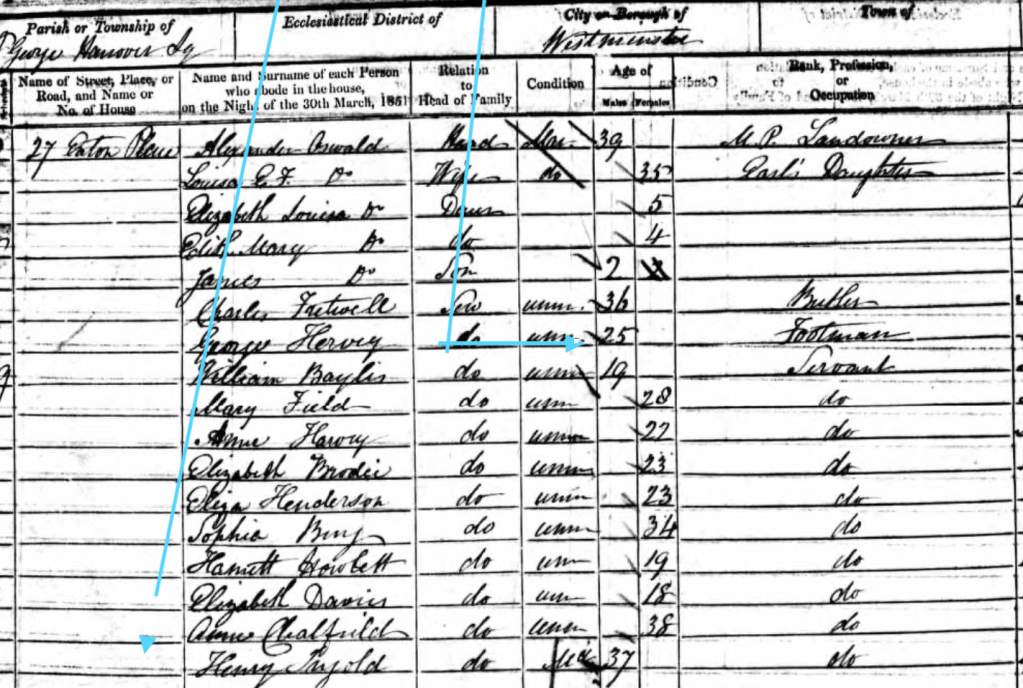
Ten years later in 1851, Henry Ingold, now in his late 30s, is in service to Alexander Oswald, Scottish Landowner and Conservative MP, his young family and 11 other servants at 27 Eaton Place.
Below, the 1851 Census entry. Note: Henry is at the bottom of the hierarchy. He’s likely a stable boy or groundskeeper.
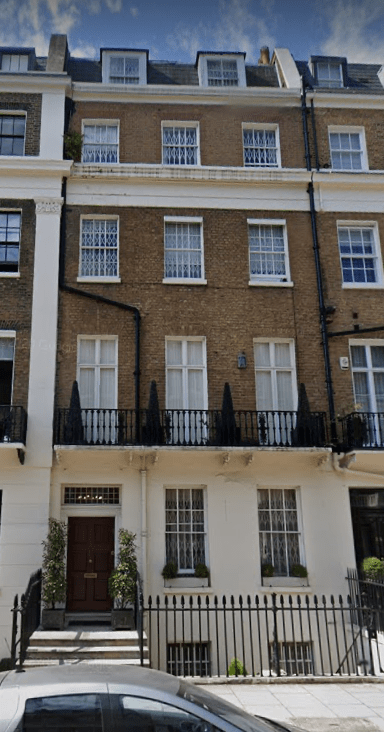
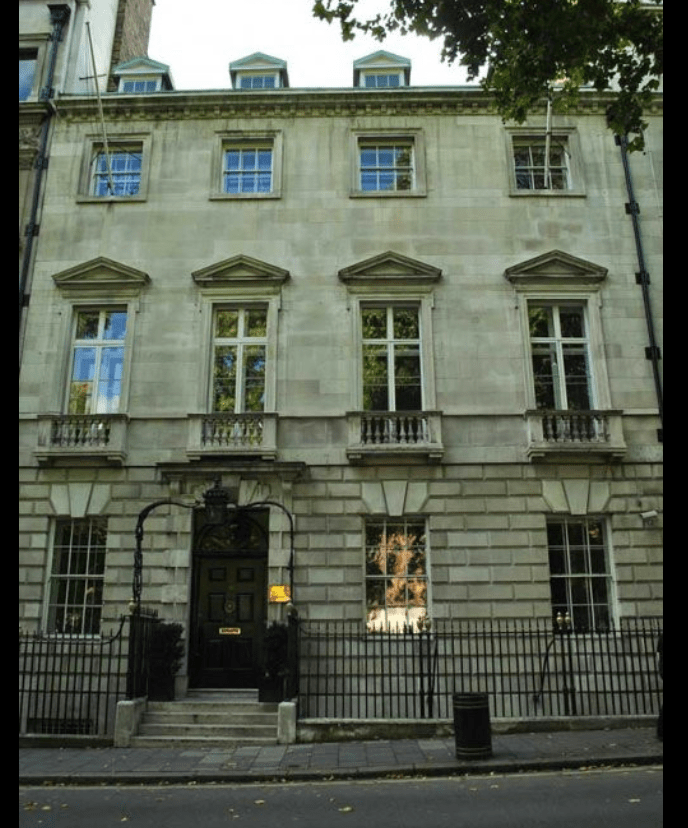
Below, 27 Eaton Place today. The servants generally lived in the attics and basements in these homes.
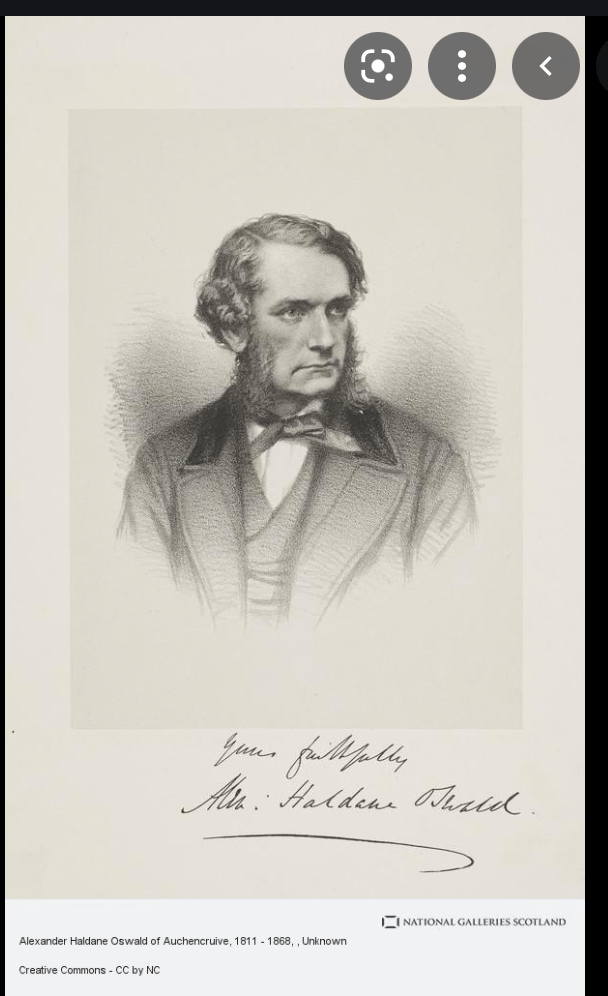
Here’s some information on Alexander Oswald, MP:
Alexander Haldane Oswald (1811-1868) was the Conservative MP for Ayershire, and a merchant who inherited considerable family property in Scotland.
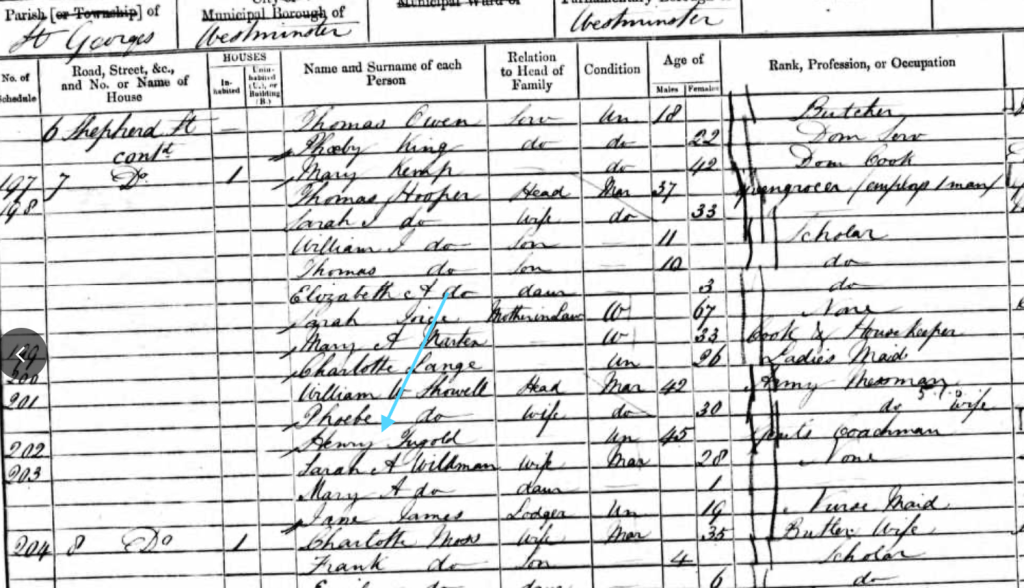
The 1861 census indicates that Henry now works as a “Gentleman’s Coachman”. Unfortunately we don’t know the name of his employer as he seems to be living in servant lodgings at 6 Shepherd Street, near Hanover Square.
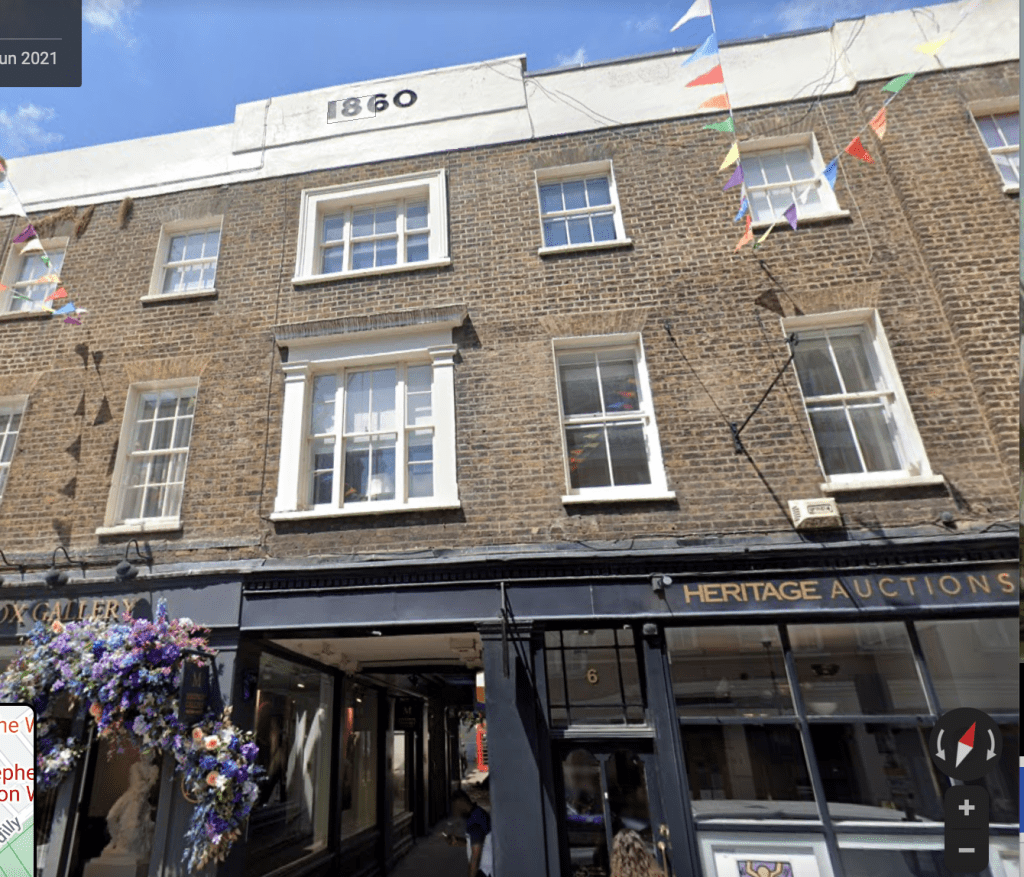
Below: 6 Shepherd Street, Hanover Square today. Note, the “1860” date stone. This would have been brand new housing for Henry!
Henry Ingold, left service and London’s privileged to return to Hertfordshire. The 1871 census shows with his brother in law in the brewery business. He never married, died in 1886 and left an estate of 1,300 pounds (about 172,000 today). Not bad for a stableboy.
Great Grand Uncle George Ingold – Servant of Berkeley Square
In 1851, George is 33 and a Footman in the household of Humphrey St. John Mildmay at 46 Berkeley Square. Mildmay was a Conservative MP and a partner in Baring’s Bank. There are 13 other servants in the house.
This is 46 Berkeley Square today. It has been home to “Annabel’s”, a private club for the wealthy for over 50 years…
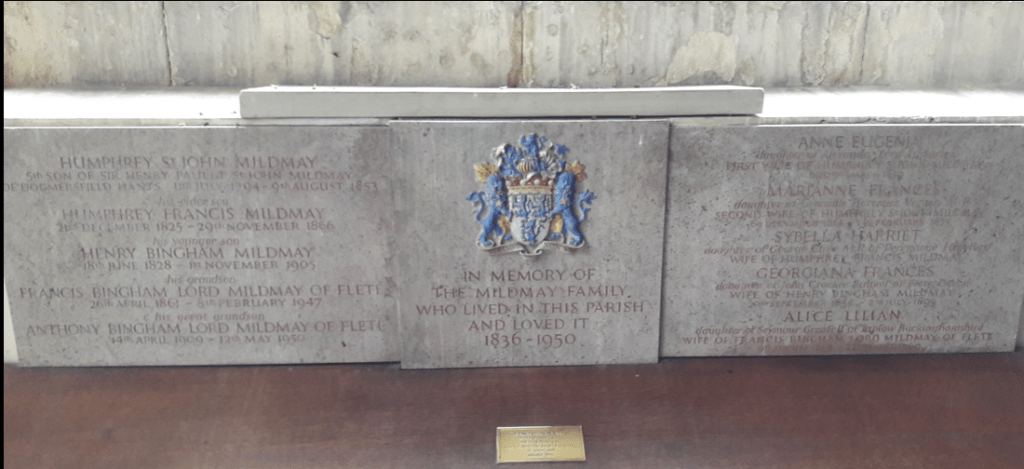
I could find no photos of Humphrey St. John Mildmay, but his family tomb is pretty impressive. Fact: Mildmay got his partnership in Baring’s Bank by marrying American heiress Anne Baring.
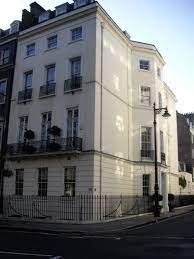
Ten years later, in 1861, George has moved down Berkeley Square to No. 42, the home of the impossibly-named John Cam Hobhouse aka “Baron Broughton” a man in his 70s. George is listed as “Valet” and there are 28 other servants.
42 Berkeley Square today. Today it houses luxury offices and a private club.
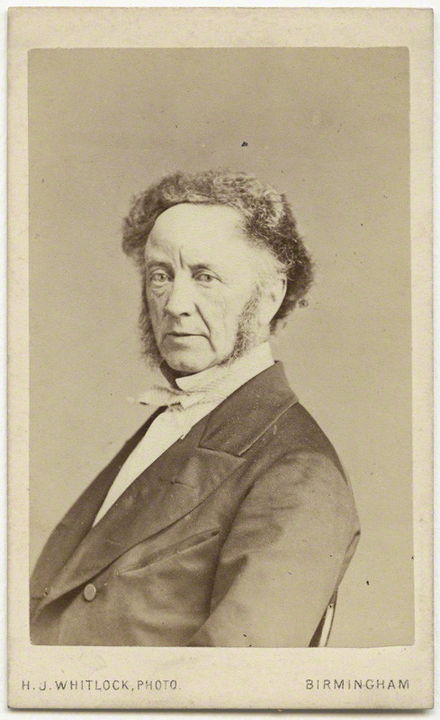
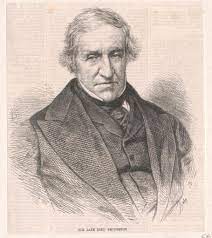
Here’s John Cam Hobhouse, Baron Broughton. Peer, Friend of Lord Byron, bon-vivant, non-conformist, world traveller, politician, witness to history – he had an incredible life. Read about him here.
Like his brother, George Ingold left service and returned to his native Hertfordshire. In 1866 he acquired the license to operate “The French Horn” inn located in Ware. He operated the inn for the next 20 years, retiring at 68. I imagine his training as a gentleman’s valet was very helpful in the professional dealings of the business.
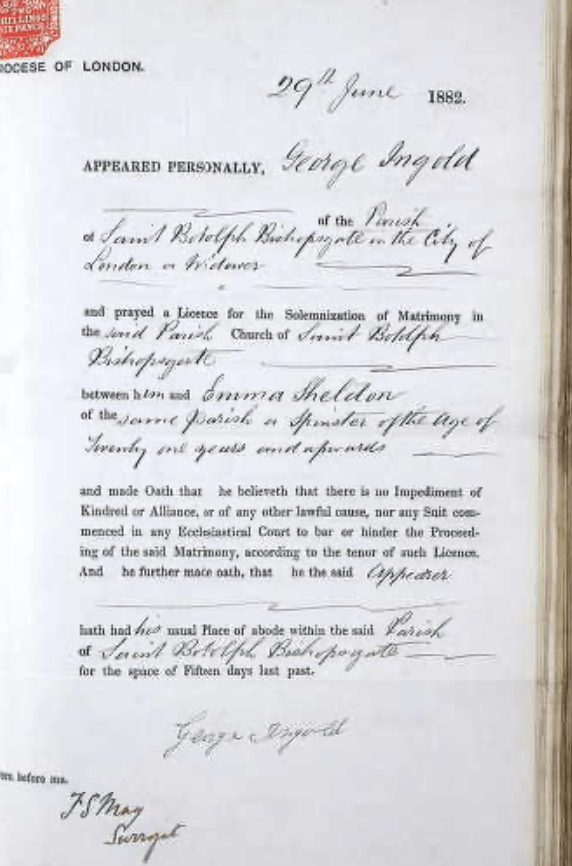
Fact: George married 2 sisters. He married Sarah Sheldon, a cook, in 1860. In 1882, he married her much younger sister, Emma. This was against the law at the time, but was commonplace among widowers.All they needed to do was spend 2 weeks in another parish.
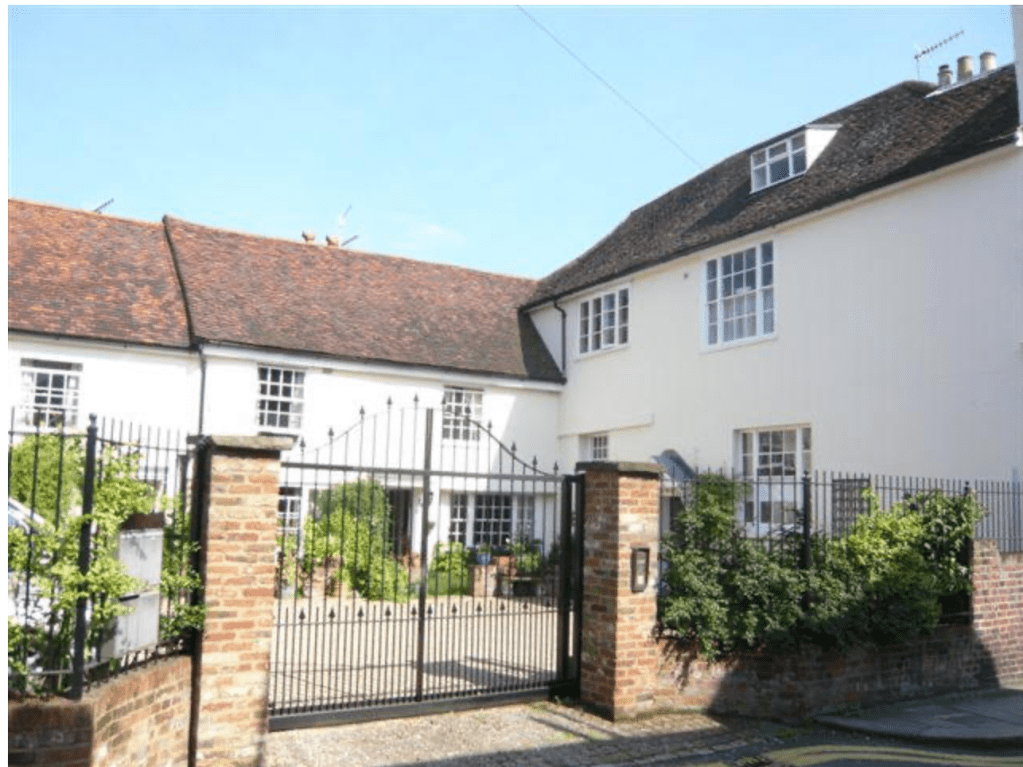
“The French Horn” still exists today, as a private residence.
George Ingold died in 1900, leaving an estate of 743 pounds sterling (about 92,000 pounds today).
Henry Ingold 1814-1886: Servant/Gentleman’s Coachman/Brewer
I love history, classic film, the arts, big-city life and genealogy. I am lucky enough to have an unusual surname which has made my family search all the easier.
View all posts by ingoldpamlynn




 Grave Digger